
The allure of risk and reward
The psychology of gambling is intrinsically linked to the thrill of risk and reward. Many individuals are drawn to casinos not just for the games, but for the opportunity to experience the adrenaline rush that comes from placing bets and risking money. This burst of excitement stimulates the brain’s reward system, releasing dopamine and creating feelings of pleasure. As a result, players exploring the betting sites australia landscape become motivated to continue gambling, often chasing the next big win. The excitement can quickly become addictive, leading individuals to return to the casino in hopes of re-experiencing that high.
Additionally, the concept of variable rewards plays a significant role in the psychology behind gambling. Unlike traditional rewards that are received consistently, gambling outcomes are unpredictable. This uncertainty can heighten anticipation and keep players engaged, as they continually seek that elusive jackpot. Behavioral psychologists often refer to this as a “near-miss” phenomenon, where players feel they are close to winning, prompting them to continue playing. This psychological enticement is why many gamblers experience a compelling urge to gamble despite their losses.
Furthermore, the environment of a casino is designed to amplify this psychological appeal. The vibrant lights, sounds of coins clinking, and the buzz of excitement create an immersive atmosphere that stimulates the senses. Casinos are often intentionally crafted to distract patrons from their time and money spent, emphasizing the short-term rewards of winning rather than the potential long-term consequences of gambling. This carefully curated atmosphere further cultivates the behavior of returning to gamble, feeding into the cycle of desire for risk and reward.
The impact of social dynamics
Social interactions play a crucial role in gambling behaviors, with many individuals choosing to visit casinos with friends or family. This communal aspect of gambling can enhance the experience and make it more enjoyable. People often feel a sense of camaraderie when gambling together, cheering each other on and sharing the highs and lows of the experience. This social reinforcement can increase the likelihood of continued gambling, as individuals want to engage in shared experiences and build memories together.
Moreover, peer pressure and social norms can influence an individual’s gambling habits. In environments where gambling is normalized and socially accepted, there’s a greater tendency to engage in these activities. Friends and family may inadvertently encourage gambling behaviors, making it seem like a fun and harmless pastime. This social endorsement can escalate gambling habits, leading individuals to participate more frequently or wager larger amounts than they originally intended.

The role of skilled players in casino settings further complicates social dynamics. Observing others winning can create a compelling desire to participate, as individuals may believe they too can achieve similar success. This phenomenon is enhanced by the psychological principle known as social proof, where people tend to mimic the actions of others in ambiguous situations. In casinos, witnessing others win reinforces the belief that gambling is a viable way to make money, drawing more players into the game.
Coping mechanisms and emotional escape
For many, gambling serves as a coping mechanism, providing an escape from daily stressors and emotional challenges. The vibrant environment of a casino offers individuals a chance to forget their troubles, albeit temporarily, while engaging in an exciting activity. This emotional reprieve can be particularly appealing to those dealing with anxiety, depression, or other personal issues. In such cases, gambling becomes a form of distraction, allowing individuals to immerse themselves in a different world and avoid confronting their problems.
Furthermore, gambling can provide a sense of control in an otherwise unpredictable life. Players often believe that they can influence outcomes through skill or strategy, which can be comforting in tumultuous times. This perceived sense of control can be especially compelling for individuals who feel powerless in other areas of their lives. However, this belief in control can lead to dangerous consequences, as players may ignore the inherent randomness of gambling and continue to gamble in search of that control.
As individuals become more reliant on gambling for emotional regulation, a detrimental cycle can emerge. The initial thrill of winning may lead to increased time and money spent gambling, creating financial strain and emotional turmoil. This often results in a vicious cycle where individuals gamble more to escape the negative feelings associated with their losses, further entrenching their reliance on gambling as a means of coping. Unfortunately, this can contribute to the development of gambling disorders, impacting not only the individual but also their relationships and overall well-being.
The role of cognitive biases and misconceptions
Cognitive biases significantly shape how individuals perceive gambling, often leading to misconceptions that can increase gambling behavior. One common bias is the gambler’s fallacy, where players believe that past outcomes influence future results. For instance, someone may think that after a long losing streak, they are ‘due’ for a win. This flawed logic can drive individuals to gamble more and increase their bets, mistakenly believing that luck will inevitably return to their side.
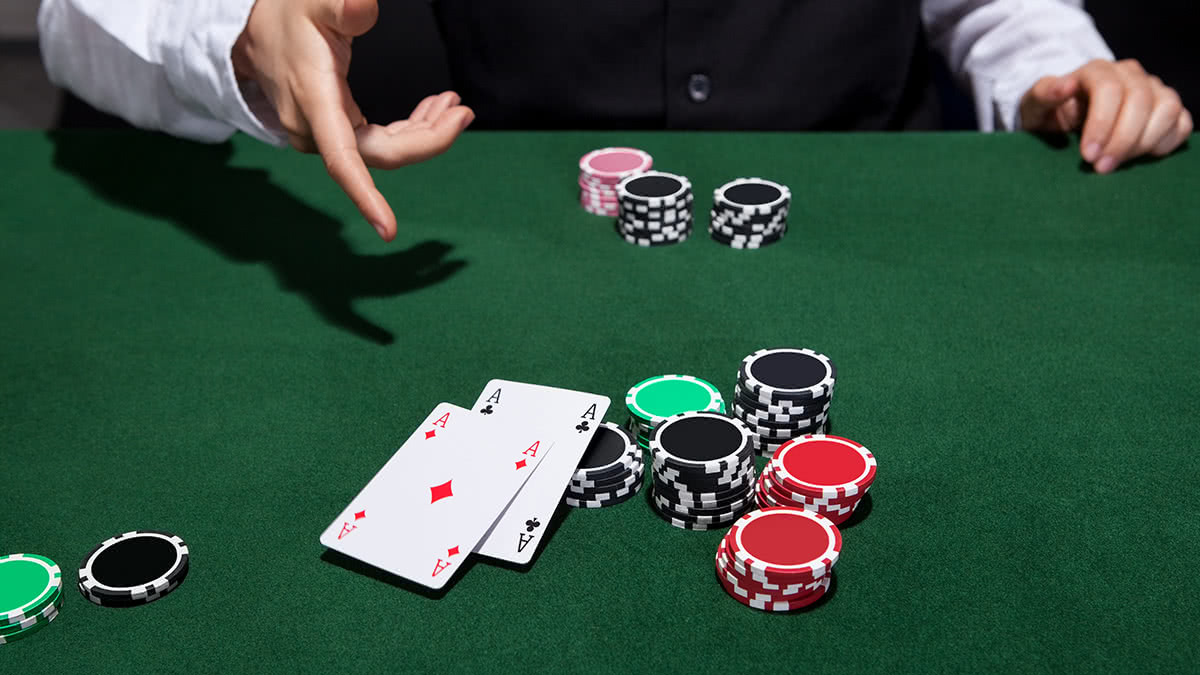
Another prevalent misconception is the idea of skill-based gambling. Players often overestimate their ability to affect outcomes in games of chance, such as slot machines or roulette. The belief that strategies can lead to consistent winnings fosters an environment where gamblers chase losses, convinced they will eventually turn their luck around. This mindset can lead to significant financial losses as players engage in prolonged gambling sessions, ignoring the reality that these games are based on chance rather than skill.
The illusion of control is another cognitive bias that can deepen gambling habits. Players often believe they can influence randomness through personal skill or strategy, creating a false sense of mastery over games. This belief can lead to the dangerous habit of engaging in more gambling, as individuals underestimate the risks associated with their behavior. Over time, these cognitive distortions contribute to problematic gambling patterns, making it essential for individuals to recognize and confront these biases to foster healthier gambling habits.
Understanding casino venues and responsible gaming
Modern casinos are designed with psychology in mind, creating an environment that encourages gambling while minimizing the awareness of the time and money spent. The layout, lighting, and sounds are meticulously crafted to keep players engaged. By understanding the architecture and design of these venues, individuals can become more conscious of the psychological tactics at play, making it easier to approach gambling in a responsible manner.
Awareness of one’s gambling habits is crucial for ensuring a positive experience. Responsible gaming initiatives aim to promote awareness and provide resources for individuals who may be struggling with their gambling behavior. Many casinos offer self-exclusion programs, financial limits, and support resources to help patrons manage their gambling responsibly. These efforts reflect a growing recognition within the industry of the need to address the psychological impacts of gambling.
Additionally, individuals can benefit from educating themselves about the principles of responsible gaming. Understanding the nature of odds, the house edge, and the role of luck versus skill can empower players to make informed choices. By recognizing when to walk away and ensuring that gambling remains a form of entertainment rather than a source of stress or financial strain, individuals can enjoy their casino experiences while minimizing the risks associated with excessive gambling.