
Understanding the psychological triggers that drive gambling behavior
The Allure of Reward: The Role of Reinforcement
The psychology behind gambling is heavily influenced by the concept of reinforcement. When individuals engage in gambling, they are often drawn in by the potential for significant rewards. This reinforcement, particularly when it comes sporadically and unpredictably, can create a powerful urge to continue playing. The brain releases dopamine, a neurotransmitter associated with pleasure, making each win feel exhilarating and encouraging players to chase that high again and again. To enjoy a vast array of games, many players turn to Fairway Casino, where they find various options tailored to enhance their experience.

This unpredictable nature of gambling rewards can lead to a cycle of behavior known as the “near-miss effect,” where players may feel they were close to winning even after a loss. This sensation can be misleading, fueling a belief that success is just around the corner, thus increasing the likelihood of repeated gambling. Understanding this dynamic is crucial for recognizing how psychological triggers can perpetuate gambling behavior.
Escapism and Emotional Factors
Many individuals turn to gambling as a means of escape from stress or negative emotions. The thrill of the game can provide a temporary distraction from daily pressures and life challenges. This emotional refuge can be especially appealing during times of hardship or anxiety, as it offers a sense of control and excitement that may be lacking elsewhere in life.
However, this escape can also become a double-edged sword. While it may offer short-term relief, it often leads to deeper emotional issues and addiction in the long run. Understanding the connection between emotional states and gambling behavior is essential for both individuals and support systems aiming to address gambling-related problems effectively.
Social Influence and Peer Pressure
The social context of gambling cannot be overlooked. Many people are drawn into gambling through social interactions, whether it be friends, family, or even advertisements that promote a glamorous gambling lifestyle. The desire to fit in or impress peers can drive individuals to gamble, often leading to increased participation in risky behavior.
Additionally, the normalization of gambling in many cultures contributes to its appeal. When gambling is presented as a common pastime, it can diminish perceived risks and encourage individuals to partake without fully understanding the potential consequences. Recognizing these social influences can help in creating awareness and fostering healthier attitudes towards gambling.
The Illusion of Control and Cognitive Biases
Another significant factor in gambling behavior is the illusion of control. Many gamblers believe they can influence the outcome of games, particularly in scenarios that involve skill, such as poker or blackjack. This cognitive bias leads to overconfidence in one’s abilities, making players more inclined to gamble despite the inherent risks.
This psychological phenomenon extends to other biases, such as the gambler’s fallacy, where individuals believe that past events influence future outcomes. Understanding these cognitive distortions is crucial for developing strategies to combat compulsive gambling and reinforcing a more realistic perspective on chance and luck.
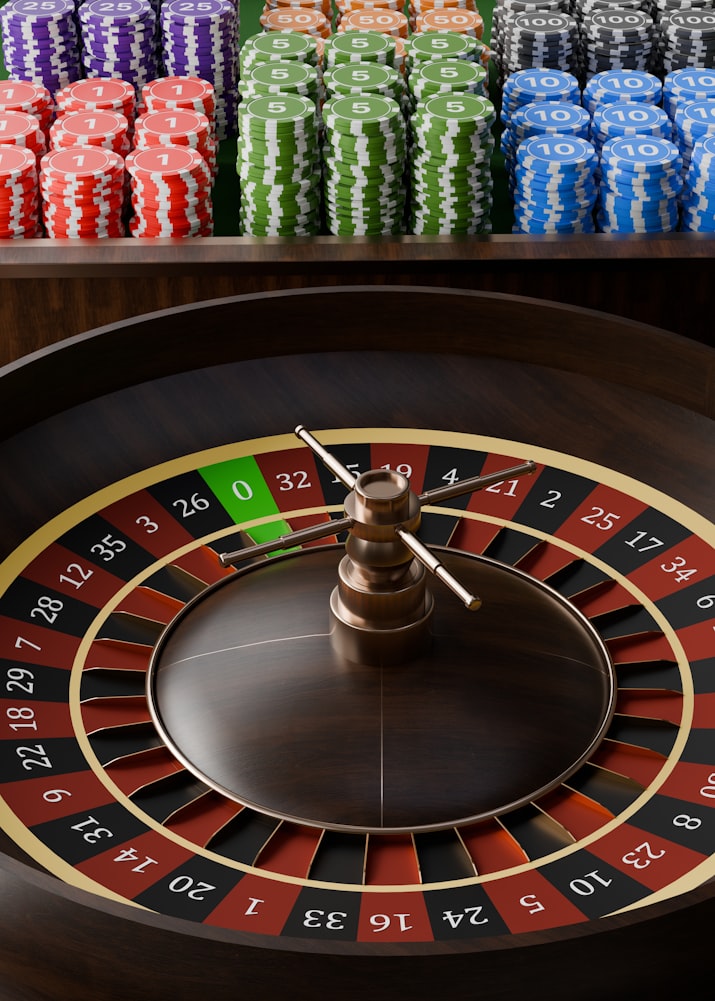
Fairway Casino: A Responsible Gaming Environment
At Fairway Casino, the focus is on creating a responsible gaming environment that prioritizes player welfare. With a wide range of games and a user-friendly interface, the platform offers an engaging experience while also promoting awareness of gambling behaviors. Players are encouraged to set limits and understand the psychological aspects of gambling, ensuring that enjoyment remains the primary goal.
Fairway Casino supports responsible gambling initiatives and provides resources for those seeking help. By fostering a community that values both excitement and awareness, Fairway Casino aims to enhance the gaming experience while ensuring the safety and well-being of its players. Understanding the psychological triggers behind gambling behavior is essential in fostering healthier gaming habits within the casino.